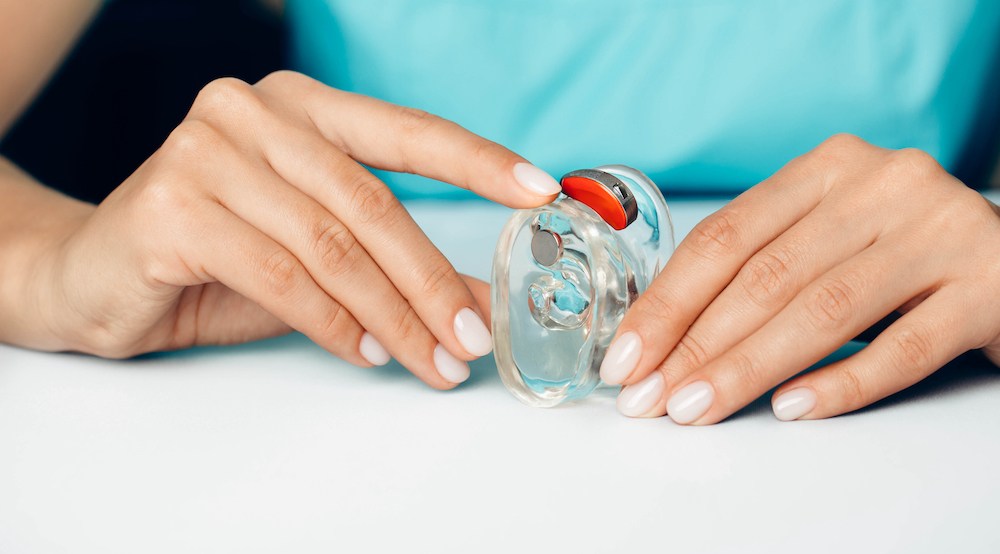
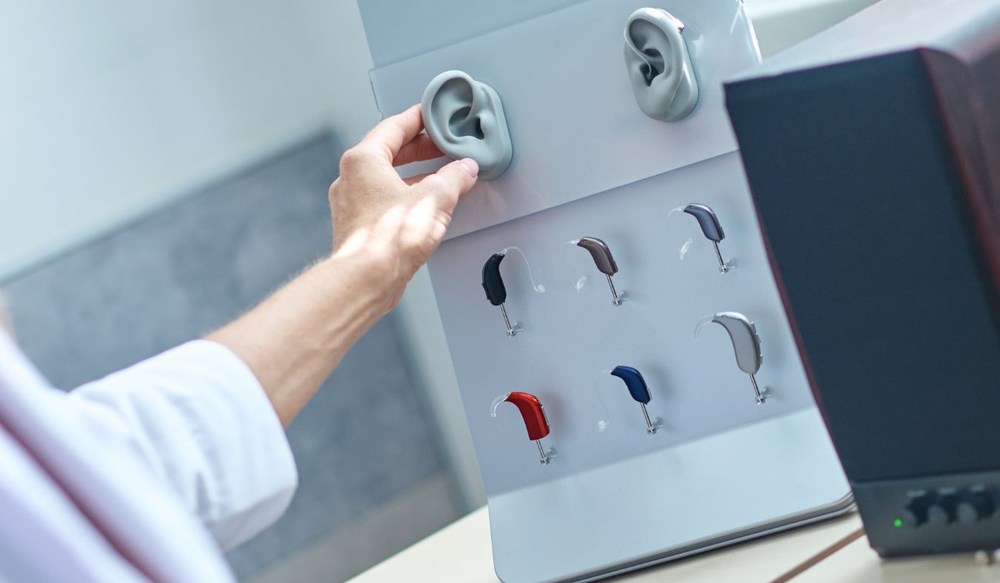
A hearing aid that bothers you by mid-morning is one you start making excuses to take out. It might start as a minor itch or a spot that rubs a little wrong, and for a while, you push through it.
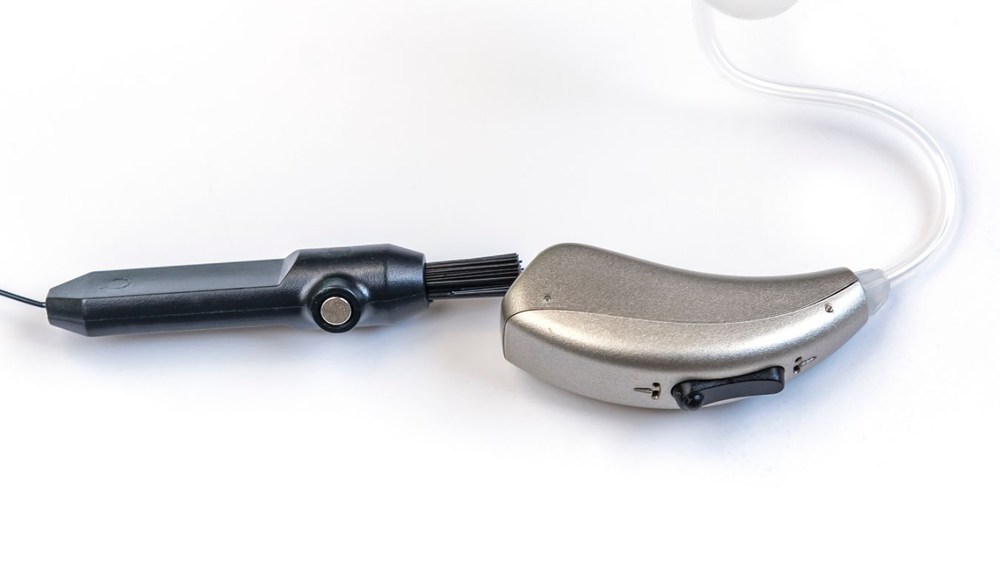
But that kind of low-grade irritation has a way of winning over time, and once you’ve gotten into the habit of leaving your devices out, the whole point of having them starts to slip away.

The dry climate in and around Farmington adds another layer to this that a lot of people don’t immediately connect.

Air lacking moisture can affect the skin inside the ear canal, making it more prone to dryness and sensitivity, and that changes how a hearing aid fits and feels throughout the day.

Sometimes the cause is the material, sometimes it’s moisture, sometimes it’s a fit that’s shifted slightly. Whatever is behind it, irritation is not something you just have to accept; in most cases, there’s a real explanation and a real fix.

Finding the Source of Ear Irritation

Your ears need a little time to get used to having something in them all day, and that’s completely normal. A mild awareness of the device, maybe a slight itch here and there in the first week or two, usually sorts itself out on its own as you wear them more consistently.

What you don’t want to ignore is anything that crosses into actual pain or seems to be getting worse instead of better. That’s your ear telling you something isn’t right, and pushing through it rarely helps.

It is helpful to know the difference between the standard breaking-in period and signs that something is actually wrong. Comparing your daily experience to these common indicators can help you decide if you need to see a professional:

  • Normal adjustment: A light, occasional tickle or a feeling of fullness that fades after a few days of consistent wear.
  • Red flags: Persistent soreness, visible swelling, skin that feels hot to the touch or any broken skin and drainage.

How Dry Air Affects Your Ears

Living in the high-desert climate of Farmington presents unique challenges for your skin that people in more humid areas never have to consider.

The lack of moisture in the air quickly pulls hydration away from your body, including the delicate skin inside your ear canals. When this skin becomes overly dry, it loses its natural elasticity and becomes much more prone to flaking or cracking.

Dry skin in the ear canal can create a rough surface that feels like sandpaper rubbing against your ears throughout the day. Without natural oils, the smooth surface of your device can grate against dry skin cells and cause unnecessary friction.

Low humidity also causes earwax to harden, which can lead to itchy blockages or small scratches inside the canal. Tiny cracks in the skin make it easier for sweat or dust to cause a stinging sensation that lingers even after you take the devices out.

Talk to a hearing specialist about any skin irritation you are experiencing from your hearing aids to determine the best method of relief. Regular care will help you feel more at ease while hearing clearly in a crowd.

Hearing Aid Materials and Their Effects on Sensitive Skin

Hearing aids are made from materials like plastic, silicone and acrylic. Most people wear these materials without trouble, but some people with sensitive skin may notice itching, redness or mild swelling where the device touches their ear.

If you have sensitive skin, it helps to know which materials might cause a reaction:

  • Acrylic is durable but may cause irritation for those with allergies.
  • Silicone is soft and flexible but can sometimes trap moisture against the skin.
  • Plastic is lightweight but may not suit everyone with sensitivities.

Managing Moisture and Earwax

Moisture and sweat can build up in and around your ears when you wear hearing aids, especially during exercise or on hot days. This extra moisture often mixes with earwax, creating a sticky residue that stays trapped against your skin for long periods.

Keeping your ears dry helps prevent itching or stinging that can happen when the skin gets too soft and sensitive. Certain habits or changes in your surroundings can lead to more moisture in your ear canal:

  • Morning workouts: Physical activity naturally increases perspiration around the head and ears.
  • Humid bathrooms: Steamy showers can leave damp air trapped in the ear if you put your devices in too quickly.
  • Temperature shifts: Moving from a cool, air-conditioned building into the desert heat often causes immediate condensation.

Daily Habits for Lasting Comfort

Sweat, oil and earwax build up on your devices throughout the day, whether you notice it or not.

A quick wipe with a soft, dry cloth before bed takes about 30 seconds and prevents that buildup from becoming a skin problem. It’s one of those things that sounds too simple to matter until you’ve been skipping it for a few weeks.

The same goes for your ears. A gentle clean around the outside with a damp cloth helps prevent irritation where the device sits against the skin. Nothing complicated, just part of winding down for the night.

It is just as important to focus on how you handle the skin inside your ear canal throughout the week.

It can be tempting to use cotton swabs or other small objects to scratch an itch, but this can push wax deeper or cause small skin tears. Using safer cleaning methods helps avoid creating sore spots that make wearing your devices uncomfortable.

If you feel like there is too much wax blocking your ear, asking a professional for a safe cleaning is a much better choice than trying to handle it at home.

Letting your ears breathe for short periods whenever you are not using your devices is a tip that many people find incredibly helpful. Constant coverage can trap heat and humidity, so giving your skin a break helps it stay tough and healthy.

Checking the Shape and Size of Your Device

If you continue to feel itching or irritation even after cleaning and adjusting your routine, the physical shape of the device may be the issue. It is important to pay attention to exactly where the discomfort is happening inside or around your ear.

If the itching or soreness is in one spot, it often means there is a pressure point where the material is rubbing too firmly against the skin. If it feels more widespread, it is more likely related to the material or moisture rather than the size or fit.

You should also keep in mind that the physical shape of your ears can actually change over time due to aging or significant weight loss. A fit that was perfect a few years ago might start to slip or press uncomfortably as the contours of your ear shift.

If the device shifts when you talk or chew, it can rub against the skin and cause irritation or soreness. Trying a different design or material can improve comfort and help it stay in place throughout the day.

Finding Relief and Professional Solutions

If itching keeps coming back, it helps to track it for a few days. Write down when it happens, how long it lasts and if it gets worse at certain times. This makes it easier to figure out whether it is a skin issue or a fit problem, so you can get to a solution faster.

If you are tracking constant redness, swelling or skin that feels hot to the touch, it is time to seek the advice of a professional. A specialist can evaluate the fit and the materials being used to find a permanent solution that keeps your ears healthy and comfortable.

During your visit, you can ask a hearing specialist about which over-the-counter solutions or specialized lubricants are safe for your specific situation. Taking this step will help you get back to hearing clearly in a crowd without having to deal with the distraction of itchy or painful ears.

Get the Best Fit for Your Technology

Most people are surprised by how simple the fix turns out to be. A small adjustment, a different dome, a change in how you’re cleaning your devices and suddenly something that was quietly ruining your day just isn’t a problem anymore.

Wearing your hearing aids shouldn’t require toughing anything out. When they’re right, you stop thinking about them entirely, and that’s exactly where you want to be.

Sandia Hearing Aids in Farmington, NM sees this regularly and knows how much the local climate plays into it. A lot of the time it’s a quicker fix than people expect. Call us at (505) 436-3609 and let’s get you back to not thinking about your ears at all.