
What to Do If Your Hearing Aids Cause Itching or Irritation
A hearing aid that bothers you by mid-morning is one you start making
By: Kristy Tucker, BC-HIS | February 20, 2026
You might assume that once your hearing aids are fitted, that’s it. They’re set, and they’ll stay that way. But fit isn’t permanent. Your body changes, your hearing aids go through regular use and what worked perfectly last year might not feel quite right today.
This isn’t a flaw in the devices or a sign that something’s failing. It’s just reality. Things shift, and hearing aids need occasional attention to keep working the way they should.
When the fit is off, even by a small amount, you notice it. Conversations get harder to follow because sound isn’t reaching your ear the way it’s supposed to. You might hear whistling or feedback that wasn’t there before.
The devices feel uncomfortable after a few hours, or they don’t stay in place like they used to. These problems are frustrating, especially when you’re trying to focus during a work call or keep up with a conversation over dinner.
The good news is that maintaining a good fit isn’t complicated. It just means checking in periodically and making small updates when needed. A little attention now saves you from bigger headaches later.
At a fitting appointment, your hearing aids are set up specifically for you. The specialist will place the devices in your ears and program them according to your prescription. From there, adjustments are made while you listen to different types of sounds, like conversation, background noise and soft speech.
Small changes are often made in real time based on what you report hearing.
Fit and physical comfort are just as important as sound quality. The provider will check how the hearing aids sit in your ears and make sure they feel secure without causing pressure or irritation.
If needed, tubing, domes or custom pieces can be adjusted, so the devices feel stable and comfortable. You will also practice inserting and removing them to make sure you can do so easily on your own.
The appointment also includes a detailed walkthrough of care and use. You will learn how to power the devices on and off, charge or replace batteries, clean them properly and store them safely.
Your hearing specialist will explain what to expect as your brain adjusts to amplified sound and how follow-up visits can help fine-tune settings. By the end of the appointment, you should feel prepared, informed and supported as you begin wearing your hearing aids.
The fit of a hearing aid matters more than most people realize. If it does not sit properly in your ear, sound can leak out or external noise can sneak in, which affects clarity. You might hear whistling, experience inconsistent volume or feel like speech still is not as sharp as it should be.
A secure, accurate fit helps deliver sound the way it was programmed, so you receive the full benefit of your devices. Even the best technology cannot perform well if it is not positioned correctly.
Comfort is just as important as sound quality. Hearing aids are designed to be worn for many hours at a time, so they need to feel natural in your ear. If they cause pressure, soreness or irritation, you are less likely to wear them consistently.
A proper fit reduces friction, keeps the device stable when you talk or chew, and helps you forget it is even there. When your hearing aids feel comfortable and sound clear, you are far more likely to keep them in and truly benefit from them.
Your hearing aids may have fit well at first, but over time, you might notice they feel different. Maybe they seem looser than before. Maybe they feel tighter or cause a little irritation.
Changes like this are more common than you might think, and they do not necessarily mean anything is wrong. Our ears and bodies change, and those changes can affect how a device sits and performs.
There are several reasons your fit may change, including:
As we age, the cartilage and soft tissue in our ears gradually change. Skin can lose elasticity, and the ear canal itself can shift slightly in shape. These changes are subtle, but even small differences can affect how a hearing aid sits in the ear. A device that once felt secure may start to feel loose or move more than it used to.
These natural changes can also affect sound quality. If the seal is not as snug as before, you may notice feedback, reduced clarity or a difference in how your hearing aids perform in noisy places. Luckily, adjustments or updated earpieces can usually restore both comfort and performance without replacing the entire device.
Weight changes do not just affect how clothes fit. They can also impact the soft tissue around your ears and jaw. When tissue volume shifts, even slightly, it can change the way a hearing aid rests in or behind the ear. This may lead to a fit that feels tighter, looser or less stable than before.
If you have experienced noticeable weight loss or gain and your hearing aids feel different, it is not your imagination. The physical changes in your body can influence both comfort and sound delivery. A simple refit, new dome size or updated custom mold can often make your devices feel secure and comfortable again.
Changes in your jaw or dental work can subtly alter the shape of your ear canal or the way your hearing aid sits behind your ear.
Even minor adjustments, like new dental crowns, dentures or braces, can shift how your jaw rests, which can affect how snug or loose your devices feel. You might notice your hearing aids moving more than before or feeling a bit uncomfortable in certain positions.
These changes can also affect sound quality. If the device is not sitting correctly, you may hear feedback, muffled speech or uneven volume. Often, small adjustments to the fit or ear molds can restore comfort and performance.
Earwax plays an important role in protecting your ear, but buildup can interfere with the fit of your hearing aids.
When wax accumulates, it can alter how snugly your device sits in the ear canal, making it feel loose or creating pressure in certain spots. You might also notice a change in sound quality, like a muffled or hollow tone.
Managing earwax is important not only for comfort but also for performance. If your hearing aids no longer feel secure or sound clear, a simple check or cleaning of the ear canal can make a big difference.
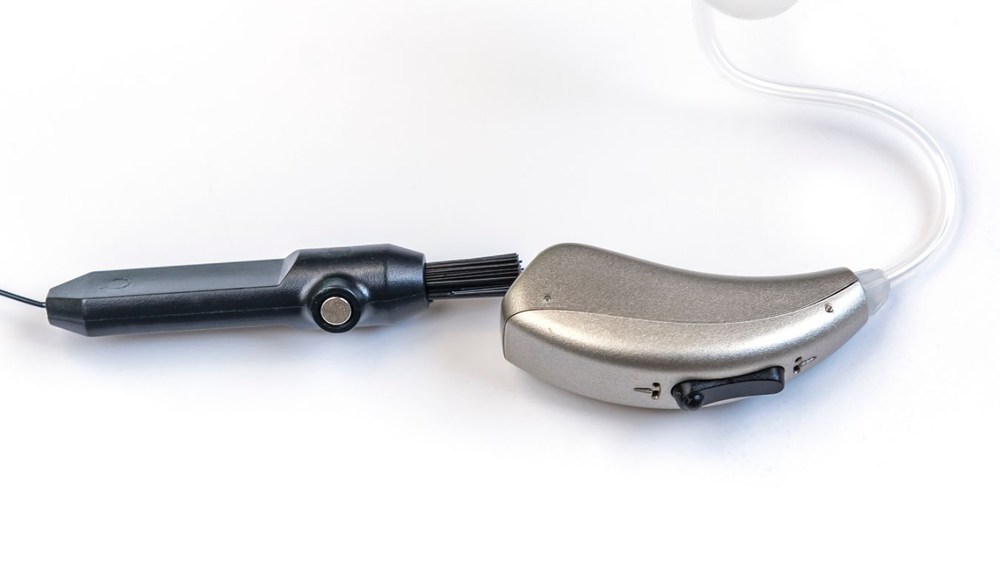
Your hearing aids are used daily, which means after some time, certain parts like domes, tubing or custom molds can experience normal wear and tear. Tubing can become stiff or crack, domes can lose their shape and custom molds can compress slightly.
Even small changes like this can affect how securely your device sits in your ear and how clearly sound is delivered. You may notice your hearing aids slipping more, feeling less comfortable or producing feedback.
Regular checks and maintenance can prevent minor wear from becoming a bigger problem. Replacing these components is often a simple fix that restores both comfort and sound quality.
Even when your hearing aids are new or have been working well for a while, the fit can change. Devices that are too tight, too loose or just slightly off can affect comfort and the clarity of the sounds you hear. Recognizing the signs of a poor fit early can help prevent frustration and ensure your hearing aids continue to perform at their best.
Some common signs that your hearing aids may not fit correctly include:
Keeping your hearing aids clean and well cared for plays a big role in how comfortable and effective they are. Dirt, earwax, moisture or debris can affect how snugly your devices sit and even change the way you hear. Taking a few simple steps each day can help your hearing aids continue to fit well and work as they should.
Some ways to maintain a good fit include:
Maintaining a comfortable fit for your hearing aids is important for clear hearing and daily ease. With regular care, cleaning and routine checkups, you can catch changes early and keep your devices working as they should. If you notice discomfort, increased feedback or changes in how your hearing aids fit, our team is ready to help with adjustments or refitting as needed.
For questions about device comfort or to schedule a checkup, contact Sandia Hearing Aids in Farmington, NM at (505) 436-3609. Our team is here to support you in getting the most from your hearing aids each day.
Tags: hearing aid basics, hearing aid fitting, hearing aid repair
A hearing aid that bothers you by mid-morning is one you start making
By: Kristy Tucker, BC-HIS | April 22, 2026
You might assume that once your hearing aids are fitted, that’s it.
By: Kristy Tucker, BC-HIS | February 20, 2026

Advances in hearing aid battery technology have made daily use simpler and
By: Kristy Tucker, BC-HIS | December 21, 2025